The Price War Unveiled: Anthony Dechaux on Sharks, Farmers & Distribution in "La Guerre des prix"
In an era dominated by hyper-consumerism and the relentless pursuit of the lowest price, a new cinematic voice is shedding light on the often-hidden costs of our consumption habits. Anthony Dechaux, making his directorial debut, plunges audiences into the heart of this struggle with his compelling film,
La Guerre des prix (The Price War). This powerful social drama, set against the authentic backdrops of Norman farms and bustling supermarket aisles, offers a stark, unflinching look at the brutal negotiations between agricultural producers and powerful distribution giants. Through the eyes of its protagonist, Audrey – a farmer's daughter thrust into the cutthroat world of corporate buying – the film meticulously dissects a system that prioritizes yield above all else, often at the expense of those who feed us.
La Guerre des prix isn't just a film; it's a vital conversation starter, exposing the delicate balance that hangs in the air between our dinner plates and the livelihoods of hardworking farmers.
Unmasking the "Sharks" of Distribution: Anthony Dechaux's Vision
Anthony Dechaux brings a uniquely informed perspective to the director's chair for
La Guerre des prix. While known for his background as a trained actor, it was an unexpected detour into the world of corporate training that truly sparked the film's genesis. Dechaux had previously facilitated seminars for buyers in large distribution networks. It was during one such event that a chilling, profoundly impactful statement from a corporate executive resonated with him: "If you are gathered here, it's to know who among you are sharks and who are killer sharks."
This revealing phrase wasn't just a corporate soundbite; it was a window into the aggressive, high-stakes culture that defines the modern distribution industry. Troubled by the raw competitive spirit it implied, Dechaux felt a compelling urge to explore this opaque universe further. This pivotal moment transformed his artistic focus, prompting him to delve deep into the mechanics of supply chains and the relentless pressure exerted on producers. His film,
La Guerre des prix, serves as a direct artistic response, embodying that chilling sentiment within its narrative structure. It’s a bold artistic choice to confront the ethical implications of a system that often dehumanizes transactions, reducing intricate human labor to mere numbers on a spreadsheet. Dechaux’s journey from actor to corporate facilitator to filmmaker underscores the film's authenticity and its critical examination of the powerful forces that shape our economy.
Beyond the Script: Immersive Filming on Real Farms
To achieve the visceral realism central to
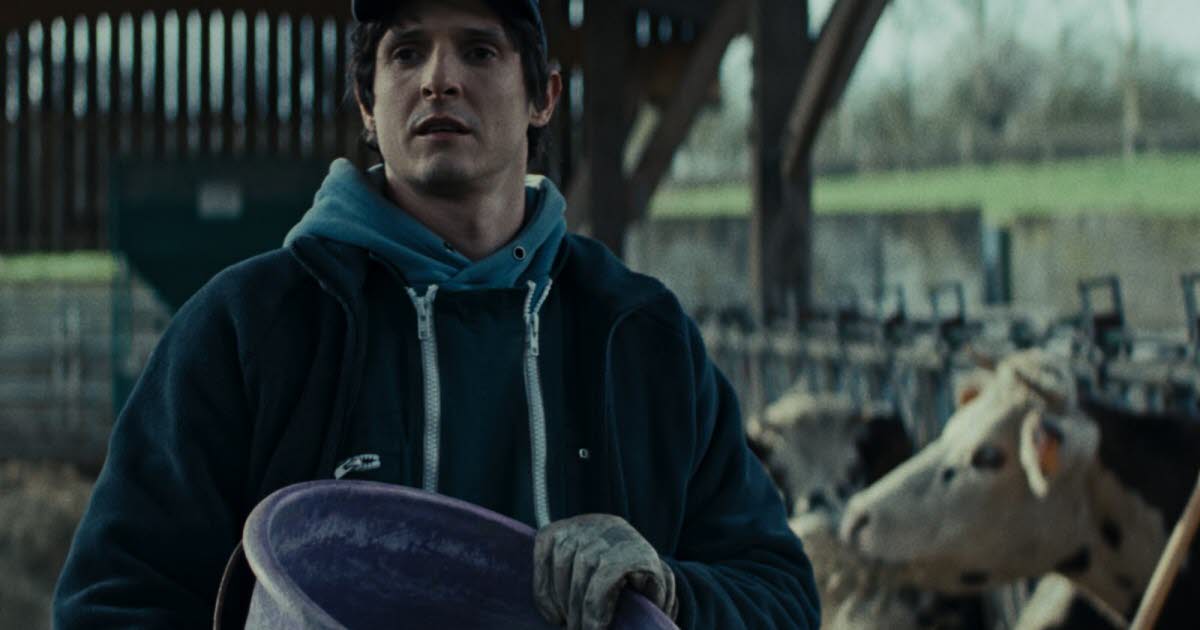
La Guerre des prix, Anthony Dechaux and his team made a crucial decision: to film a significant portion of the movie on a genuine, working farm in Normandy. This wasn't merely a set; it was a living, breathing ecosystem, complete with the constant demands of agricultural life. For actress Ana Girardot, who portrays Audrey, and the entire cast and crew, this immersion was profoundly transformative. They lived and worked alongside the real farming couple who owned the property, experiencing firsthand the relentless, seven-days-a-week commitment that defines the agricultural profession.
Girardot recounted how this direct engagement allowed them to "take conscience of the subject that we were treating." The constant presence of cows, the rhythms of farm work that never ceased – even for filming – provided an unparalleled depth of understanding. The generosity of the farm owners, who continued their daily operations while accommodating the production, allowed the team to capture reality at its most unvarnished, ensuring total respect for the farm's delicate ecosystem. Even when scenes shifted to studios or indoor locations, Girardot noted that "the farm was anchored in us," a testament to the indelible impact of their authentic experience. This commitment to realism, extending from
filming reality in farms and supermarkets, is a cornerstone of
La Guerre des prix, elevating it beyond a simple drama to a truly documented fiction that resonates with truth.
The Unsung Hero: Navigating Complex Logistics with Marco Boumier
The ambition to ground
La Guerre des prix in stark realism, by filming in actual working farms and operational supermarkets, presented a monumental logistical challenge. This is where the often-overlooked but utterly indispensable role of the régisseur général, or general manager for cinema, comes into play. On Dechaux’s set, this crucial mission was expertly managed by Marco Boumier. Often considered the discreet pillar behind the scenes, Boumier is the true orchestra conductor of production logistics.
His responsibilities are vast and varied: securing the necessary authorizations to film in sensitive public or private spaces, coordinating the intricate movements of both technical and artistic teams, and, perhaps most critically, ensuring optimal hosting conditions for the individuals and businesses whose spaces become temporary sets. For instance, at the Norman farm where much of
La Guerre des prix was shot, Boumier was tasked with complex arrangements, including the temporary relocation of the farm owners to facilitate specific scenes without disrupting their ongoing work or the well-being of their livestock. This meticulous planning and seamless execution of logistics allowed the creative vision of
La Guerre des prix to flourish, proving that the magic on screen is often built upon the tireless, precise efforts of unsung heroes like Marco Boumier, who make the seemingly impossible, possible.
The Deeper Message: Consumerism, Ethics, and the Future of Food
At its core,
La Guerre des prix is more than just a captivating film; it's a profound commentary on the socio-economic fabric of our modern world. It offers a bitter assessment of a consumer society driven by the ceaseless demand for low prices, a demand that inevitably trickles down to those at the very bottom of the supply chain: the farmers. Through Audrey’s struggle, the film exposes the ethical quagmire inherent in a system where efficiency and profit often overshadow the human and environmental costs of production. It's a stark reminder that the "price war" isn't merely a negotiation tactic; it's a conflict with real-world casualties.
Dechaux's narrative skillfully blurs the lines between a social thriller and a human drama, compelling viewers to confront uncomfortable truths about their own consumption choices. The film critiques the opaqueness of commercial negotiations, revealing how the relentless pressure for competitive pricing can lead to unsustainable practices and threaten the very existence of small-scale agriculture. This makes
La Guerre des prix an essential watch for anyone concerned about
unveiling retail's brutal impact on farmers. It champions the cause of local produce and fair trade, subtly encouraging viewers to consider the provenance of their food and the true value of the labor involved. By doing so, the film doesn't just entertain; it educates and inspires critical thought about the future of food production, advocating for a more equitable and sustainable relationship between consumers, distributors, and the vital agricultural community.
Conclusion
La Guerre des prix stands as a poignant and vital contribution to contemporary cinema, challenging audiences to look beyond the supermarket shelf and grasp the complex realities of our food system. Anthony Dechaux, with Ana Girardot's compelling performance and Marco Boumier's logistical genius, has crafted a film that is both a gripping drama and a meticulously documented piece of social commentary. It's a powerful narrative that calls for reflection on the profound ethical dilemmas posed by our consumer habits and the relentless "price war" that impacts farmers globally. By revealing the hidden struggles and the human cost behind every low price,
La Guerre des prix is more than just a film—it's an urgent appeal for greater awareness, empathy, and a fairer future for those who feed the world.